
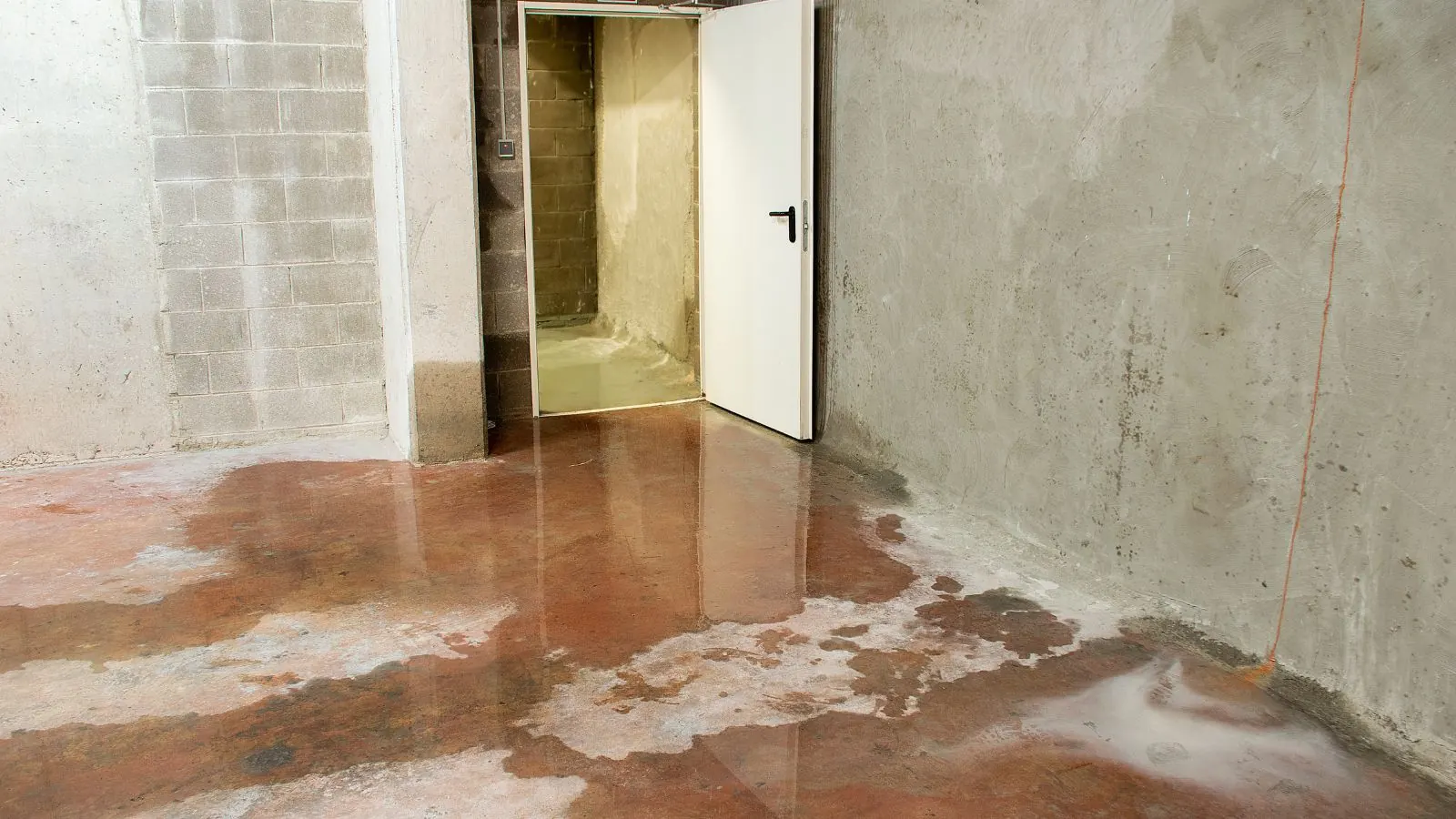
The water bill goes up, nobody has changed a habit, and no faucet is dripping. That pattern is one way a hidden leak announces itself in Shirley, NY, often long before a ceiling stains or a floor buckles. Early matters because a slow leak wets the same materials day after day.
This guide walks through the clues, a simple water meter test, and what a professional adds with moisture meters and thermal imaging. It also tells you when to stop searching and make the call.
Clues the house gives before the stain shows
Leaks inside walls and under floors rarely show up as one clean sign. Collect the small ones. Two or three clues pointing at the same room are worth more than a single dramatic stain.
- A water bill that climbs with no change in how you live
- The sound of running or hissing water when everything is off
- Paint that bubbles or wallpaper that lifts for no clear reason
- A musty smell in one room that does not clear
- Baseboards, cabinet floors or flooring that feel soft or look swollen
- A warm patch on a floor, or a soggy spot in the yard near the house
- Low water pressure that appeared without explanation
Check the obvious places before you assume the worst: under sinks, around toilet bases, behind the washing machine and beside the water heater. A damp cabinet floor is easier to find than a damp wall.
The water meter test, step by step
The meter is the most honest witness in the house. This test shows whether water is moving through your supply when nothing should be using it.
Stop every use
Turn off taps, pause the dishwasher and washing machine, shut off the ice maker and any humidifier, and make sure nobody flushes.
Read the meter
Find the meter, lift the cover, and note the digits or dial. Look for a small low-flow indicator that spins or flickers when even a trickle passes.
Wait with everything off
Leave the water unused for a good while, longer is better, then read again. If the number changed or the indicator keeps moving, water is going somewhere.
Rule out the toilets
Put a few drops of food coloring in each tank without flushing, then look at the bowl later. A silent flapper leak is a classic hidden loss and an easy one to rule out.
Close the main valve and read again
If the meter stops, the loss is inside the house. If it keeps moving with the main closed, the leak is on the pipe before the valve, and a plumber needs to trace it.
Clue, likely meaning, and who to call
Use this as a decision framework once you have a clue or two. It points to a next step and does not replace an on-site check.
| Clue | What it often points to | Who to call |
|---|---|---|
| Meter moves with all water off | A leak on the supply side or a running fixture | A plumber to trace it |
| Dye shows in the toilet bowl | A worn flapper or fill valve | A plumber or a capable owner |
| Stain that spreads on a ceiling | Water moving from above or along a line | Stop the source, then a restoration crew |
| Warm or damp spot on a floor | A line running below the floor | A plumber, then a restoration crew |
| Musty smell and no stain | Moisture inside a wall or under flooring | A moisture meter and thermal imaging check |
| Bill up but meter test is clean | Seasonal use, irrigation or a billing question | Your water supplier |
Public water or a well: what your bill can and cannot show
The Suffolk County Water Authority is the public water supplier for much of Suffolk County and publishes an annual drinking water quality report. If your house is on public water, your bill is a record of what passes through the meter. Compare recent usage with the same period a year ago, and ask your water supplier how to read the figures. It is an easy leak detector that costs nothing to use.
Many homes are on a private well instead, and a well owner has no water authority bill to compare. Know which you have, because it changes what happens after a leak or a flood. The Suffolk County Department of Health Services handles private well questions, and nobody should flush a system after flooding until it is clear which kind you are on.
On a well, a pump that cycles when nothing is running is a clue worth reporting to a plumber.
What a professional adds to the search
A plumber finds and repairs the supply line. A restoration crew deals with what the water has already soaked. Those are different trades with different tools.
Restoration professionals use a moisture meter to read the water content inside drywall, wood and subfloor, and a thermal imaging camera to show temperature patterns that suggest wet areas behind a surface. Neither tool sees the pipe. They show where the water has gone, which helps a plumber decide where to open a wall and keeps the opening small.
Thermal images are a guide, not proof. The confirmation is a moisture reading at the spot.
Two situations that deserve their own page
A stain that spreads on a ceiling means water is moving from above or traveling along a line. Stop using the source and read about ceiling water damage repair instead of hunting on your own.
A warm patch on the floor, or a meter that keeps moving while the house is quiet, can point to a line below the floor. Those cases are covered under slab leak water damage, where the decisions are different from a wall leak.
When to call, and who answers
Call once you have a confirmed clue plus wet material: a meter that moves while the house is quiet, a stain that grows, or a floor that feels soft. Coverage for slow leaks often differs from coverage for sudden and accidental damage, so check your policy and document what you find with dated photos.
The dispatch line at (934) 223-1875 is open 24/7 and sends licensed and insured restoration professionals across Shirley, Mastic Beach and Yaphank. Tell the dispatcher what the meter did, where the stain is, and what you have already shut off.
Frequently Asked Questions
Run the meter test. If the meter or its low-flow indicator moves while every fixture and appliance is off, water is leaving the system somewhere. If it holds still, the higher bill probably comes from use, such as guests, irrigation or a season change.
Yes. Water can run along a pipe, soak a framing member or settle in insulation before it reaches a surface that shows color. A moisture meter and thermal imaging check can find damp areas without opening everything up.
It shows differences in surface temperature, and wet materials often read cooler than dry ones. It does not see the pipe, and it can mislead near windows, vents and cold exterior walls. A moisture reading at the spot confirms what the image suggests.
If you are on public water, the bill records usage, so a jump with no change in habits is a reason to run the meter test. Compare against the same period last year because summer and winter use differ, and ask your water supplier how to read your statement.
There is no authority bill to compare, so watch the pump. If it cycles on while nothing is running, or pressure drops without cause, a plumber should check the lines. The Suffolk County Department of Health Services handles private well questions.
Check your policy and ask your insurer. Leaks found late are the hard ones for coverage, because gradual damage is often excluded while a sudden break often is not. Dated photos, readings and a written scope help your insurer see what happened.
If a stain is growing or the meter shows a steady loss, closing the main valve limits the damage while you sort out the cause. Leave electrical panels alone if the area around them is wet.