
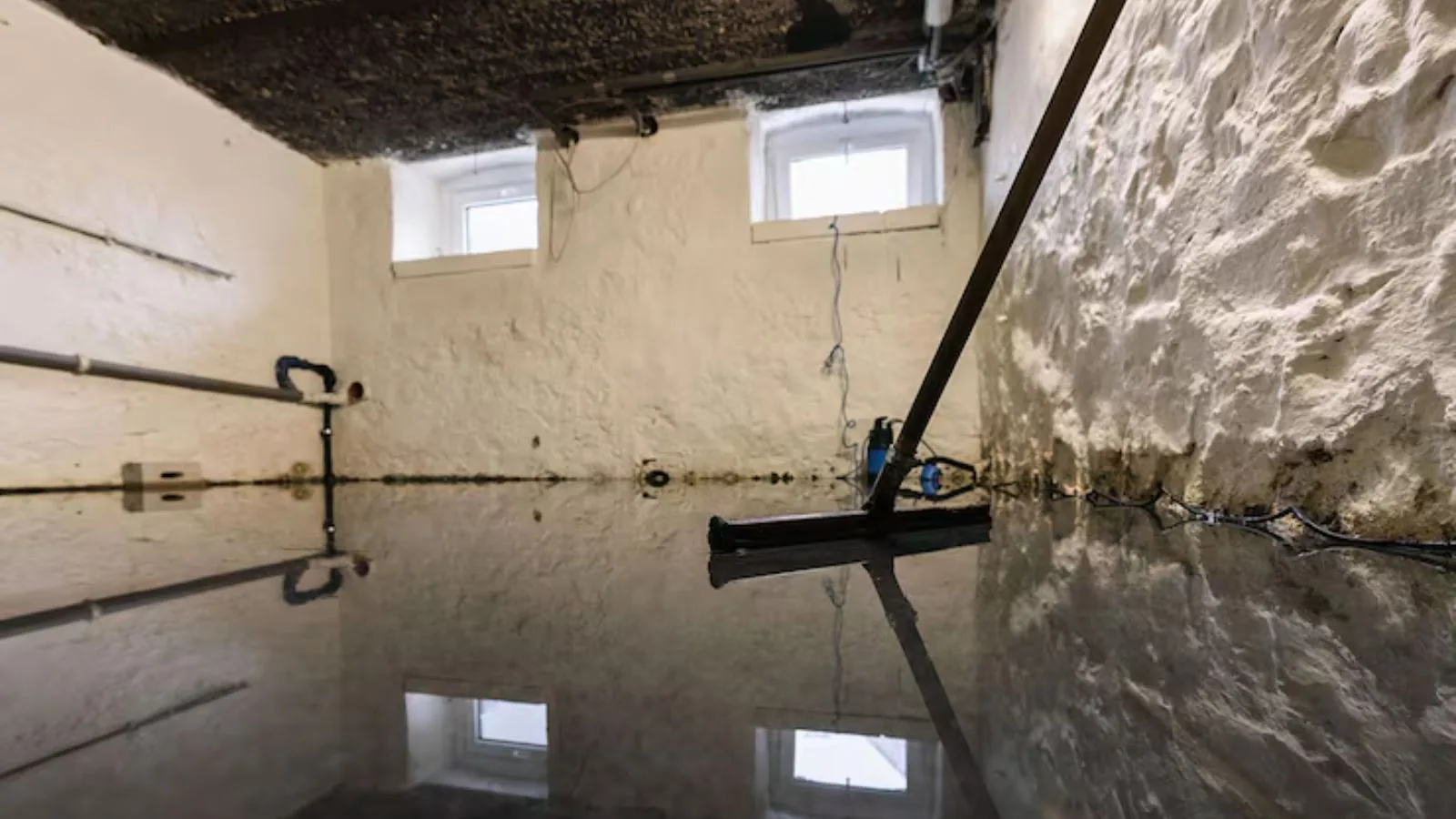
Flood damage cleanup in Shirley, NY deals with water that came from outside the plumbing, which means it is almost never clean. If water is entering the house, get everyone to higher ground, stay out of the water and do not touch anything electrical while standing in it. Dispatch answers at (934) 223-1875 and arranges the crew.
Flood damage restoration is the removal of floodwater, the disposal of materials it contaminated, and the drying and sanitizing of what can be saved. Flood water usually falls into Category 2 or Category 3, which means it may carry bacteria, sewage or chemicals. While you wait, lift valuables where you can do it safely, and keep children, pets and bare skin away from the water.
Where flood water comes from on the South Shore
Flooding here does not come from one source. Heavy rain can overwhelm drainage and push surface water through doors and window wells. Tidal surge and high groundwater can bring water in from below or from the bay side. Rivers and wetlands that run through the area can rise and spill over their banks.
Each path leaves its own mark. Surface runoff drags in mud and yard chemicals. Groundwater seeps up through floor joints and cracks and is slow to drain. Tidal water adds salt and silt, which corrode metal and linger in porous materials. The crew will ask where the water came from, because that shapes how the cleanup is done.
When rising water is an emergency
Call right away when water is above the floor, when it is still rising, or when it has reached outlets, appliances, the furnace or the panel. If the water has an odor, color or oily sheen, assume it is contaminated and treat it as an emergency regardless of depth.
The dispatch line runs 24/7 during storms, overnight and on holidays, and we aim for a same-day response when a crew is available. Local roads can be slow in a storm, so we never promise an arrival time. Tell the dispatcher your cross street, how deep the water is and whether a basement is involved.
Water category and what it means for your belongings
The category of the water drives the whole cleanup. Here is a plain version of what the crew weighs on site.
| Water type | Typical source | What it means for materials |
|---|---|---|
| Category 1 | Supply line or clean source | Many materials can be dried and kept |
| Category 2 | Washing machine, dishwasher overflow, early-stage flood water | Hard surfaces can be cleaned. Carpet padding usually goes |
| Category 3 | Flood water from outside, sewage, river or tidal water | Porous materials like drywall, insulation and carpet are usually removed |
Water that starts clean can become worse with time. The longer it sits, the more the category can shift, which is another reason to call early.
What the record from past storms tells homeowners
Brookhaven took heavy damage from Superstorm Sandy in 2012, about 2,400 structures by the county's count, and the damaged properties followed the mapped flood areas closely. The effective FEMA maps in the county plan date to September 25, 2009, so check your own address on the FEMA map and the county GIS layers. Homes on the bay-side peninsula can also read the Smith Point page.
On August 13, 2014, flash flooding broke New York State's 24-hour rainfall record with 13.78 inches, according to the same plan's Brookhaven section. That is a Brookhaven-wide figure, not a Shirley gauge. It still shows how quickly drainage can be overwhelmed, so know where your sump or floor drain discharges and keep it clear.
The Wertheim National Wildlife Refuge covers about 2,550 acres on the Long Island south shore, and the Carmans River runs through it as a New York State designated scenic river. Much of western Shirley lies in the refuge area. If your home sits near wetlands or a river, check the FEMA flood map for your exact address.
How a flood cleanup unfolds, room by room
Flood work is slower and more careful than a clean water leak, because disposal and sanitation are part of it.
Make the house safe
The crew checks for electrical, structural and slip hazards and puts on protective gear before entering.
Pump out the water
Submersible pumps move the volume out to a safe discharge point. Extraction units follow on floors and carpet.
Remove what cannot be saved
Contaminated drywall, insulation, carpet and padding are cut out and bagged. Cutting the drywall above the water line is common.
Clean and sanitize
Hard surfaces and framing are cleaned and treated. HEPA air scrubbers may be used to clean the air.
Dry and verify
Air movers and LGR dehumidifiers run until moisture meters read normal, following ANSI/IICRC S500.
Floodwater safety
Treat all flood water as contaminated. Do not touch submerged outlets, cords or appliances, and do not run a household vacuum or use gas appliances that got wet. Keep children and pets away. If the water carries a sewage smell, read the sewage backup cleanup page and call right away.
After the water goes down: permits and substantial damage
Town of Brookhaven Code Chapter 33 covers flood damage prevention. It defines substantial damage as repair cost that equals or exceeds 50 percent of the structure's market value before the damage. Building or developing in a special flood hazard area needs a permit, and the Chief Building Inspector administers it.
Do not guess at what counts. Before you rebuild, ask the Town of Brookhaven Building Division, at Town Hall, 1 Independence Hill, Farmingville. Repairs that look routine may fall under different rules in a flood zone.
Floods and storms: where this page ends
This page covers flood water from outside the home. Wind-driven rain and storm debris are handled on the storm water damage cleanup page. Once the bulk water is out and the debris is gone, structural drying and dehumidification brings the framing back to a normal moisture level.
Crews also work in and around Patchogue, so give the dispatcher your full address.
What drives flood cleanup cost and how coverage works
Flood cleanup cost depends on how much water entered, how long it stood and how much had to be removed. A typical homeowners policy does not cover flood damage, according to the New York Department of Financial Services. Coverage for water backup and sewage may come from an endorsement, and flood from a separate National Flood Insurance Program policy. Check your policy, file as soon as possible after the loss, and document damage before cleanup.
We help with documentation an insurer may ask for, such as photos, moisture readings and a written scope. State rules put time limits on how long an insurer has to acknowledge and respond to a claim. Assessment comes first. Readings and photos are taken during the inspection, and only after that are scope and price laid out for you. The end figure follows from the conditions listed above.
- Water category and source, which sets disposal and sanitation needs
- Depth, duration and how many rooms and floors were reached
- Materials removed, such as drywall, insulation, flooring and cabinets
- Equipment and days needed to dry and verify the structure
- Access, debris and whether the home is occupied during the work
To get a real number, phone (934) 223-1875 and describe the damage.
Want your real number? Call the 24/7 line.
☎ (934) 223-1875Frequently Asked Questions
Yes. The dispatch line is open 24/7, including storm nights, weekends and holidays. We do not promise an arrival time. Tell the dispatcher your address, how deep the water is and whether it is still rising.
None. A call to the 24/7 line starts with a few questions about the source, then a crew is arranged for the same day where possible. No fixed arrival time is given, as it shifts with road conditions and how busy the line is.
Generally no. Flood water is usually Category 2 or 3 and can carry bacteria and chemicals. If you must act before help arrives, keep skin covered and children away, and do not run electrical equipment in the water.
A typical homeowners policy does not. Water backup may be covered by an endorsement, and flood by a separate National Flood Insurance Program policy. Read your policy and ask your insurer.
Pumping out the water, removing contaminated materials, cleaning and sanitizing, then drying with air movers and dehumidifiers until readings are normal. Rebuilding is a separate step.
Yes. The Town of Brookhaven defines substantial damage as repair cost at or above 50 percent of the structure's market value, and building in a special flood hazard area needs a permit. Ask the Building Division before you rebuild.