
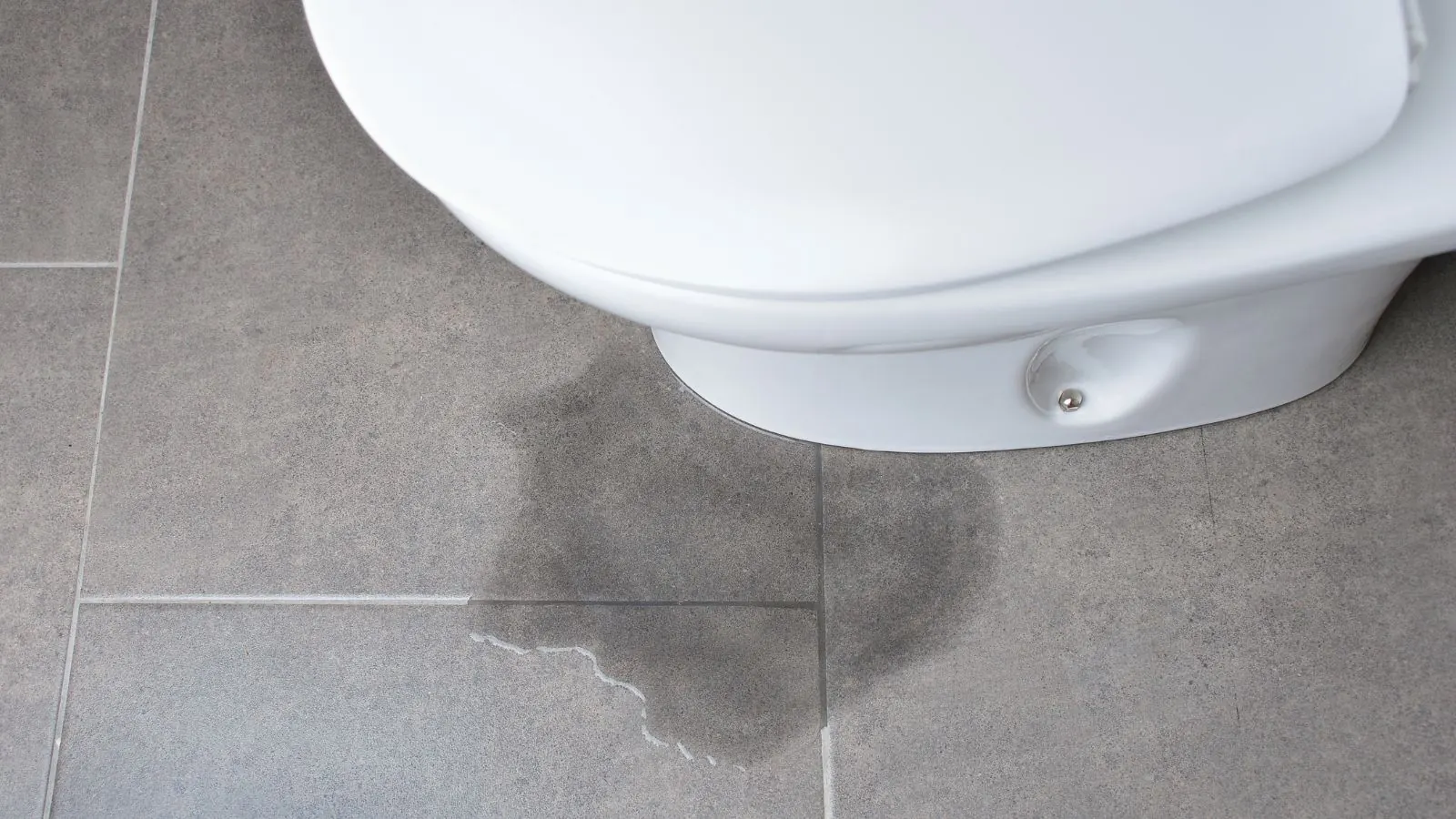
Sewage backup cleanup in Shirley, NY deals with wastewater that has come up through a floor drain, toilet or tub, usually in a basement or lowest bathroom. Sewage is Category 3 water, the most contaminated class in the ANSI/IICRC S500 standard, and it is urgent. The dispatch line is open 24/7.
If a basement drain has backed up with raw sewage, stay out of the room, keep people and pets away, and stop using water so more does not enter the line. Do not run the washer, dishwasher or toilets. Read the safety box below first, because electrical and gas risks come before the restoration call.
Gurgling drains, toilets that back up, a sewer smell, or gray water on the floor?
Those are the usual signs that wastewater is not leaving the house. A tub that bubbles when the washer drains, a toilet that rises and will not flush, a floor drain that seeps, or a smell like a sewer in the lowest room all point the same way. Once that water reaches a floor, the job is sewage damage restoration, and the fix goes beyond the clog.
A plumber or the sewer authority clears the blockage. The restoration crew handles the contaminated water and the building materials it touched. Both calls are usually needed.
Safety first, before you call us
If the water is near the electrical panel, outlets or an appliance, or you smell gas, leave the building and call 911 or the utility before calling the restoration line. Do not wade into standing sewage. Avoid skin contact, wash hands well afterwards, and ask a physician about any exposure or symptoms.
When sewage on the floor is an emergency
It is an emergency whenever sewage is on a living surface, still rising, or reaching carpet, drywall or stored belongings. Dispatch takes after-hours calls, and a crew is sent the same day when available. Waiting lets contamination soak further into porous materials.
If you can tolerate leaving the area, close the door to the room and keep children and pets out. Shut off power to wet areas only if you can reach the panel dry. Take photos from a safe distance before anything is touched.
Why Shirley's sewage history matters to you
In January 2022 the state described thousands of unsewered homes in the Carlls River and Forge River watersheds that rely on septic tanks and cesspools, with aging systems prone to failure. The same statement said Superstorm Sandy flooded roughly half of the area's existing wastewater systems.
The Forge River sewer district was designed to take about 1,900 parcels in the Shirley-Mastic area off cesspools and septic systems. If your home is on a septic system or cesspool, flooding can push wastewater back into the house, and a sewage backup is Category 3 water. Ask whether your property is on the sewer or on a septic system.
How the crew handles a sewage loss
Protective gear and containment come first, because the goal is to contain contamination, not spread it.
Set up protection
The crew wears protective gear and blocks off the affected area so foot traffic does not carry contamination through the house.
Extract the liquid
Pumps and extraction units remove standing sewage. The general method is described on the water extraction page, with added precautions here.
Remove porous materials
Carpet, pad, soaked drywall, insulation and similar materials are usually removed and bagged. They absorb contamination and cannot be made safe by drying.
Clean and disinfect
Hard surfaces and framing are cleaned and treated with disinfectant. HEPA air scrubbers may be used to clean the air while the work is under way.
Dry and verify
Air movers and LGR dehumidifiers dry the structure and moisture meters confirm it. The S500 standard from ANSI and IICRC is the published guide for this work, and crews should be able to say if they follow it.
Who to call for what
Several parties can be involved in one sewage backup, and the order matters. This is a general guide, not a replacement for your utility's instructions.
| Situation | First call | Then |
|---|---|---|
| Gas smell, sparking, or water at the panel | 911 or the utility | The restoration line once everyone is safe |
| A clog in your own drain line | A licensed plumber | The restoration line if it reached the floor |
| Backup caused by the main sewer or a district problem | Your sewer authority or utility | The restoration line, and your insurer |
| Septic or cesspool overflow after flooding | A septic service | The restoration line for the house |
Floods, storms and the sewage that follows
A large rain or flood can overload drains and send sewage into a house along with stormwater. The flood damage restoration page covers rising water, and a mixed loss often needs both services. Describe what you saw so the crew can plan.
Where sewage reached a lower level, the crew also checks for hidden moisture in walls and under flooring. Structural drying is how that moisture is removed once the contaminated material is gone.
What shapes the cost
Every job begins with an inspection of the damage. The crew measures what is wet and contaminated, then the scope and price are explained before any work starts, and they depend on the factors below.
A typical homeowners policy does not cover flood damage. Coverage for water backup and sewage may come from an endorsement, and flood from a separate National Flood Insurance Program policy, so read your policy before a loss. File as soon as possible, document damage before cleanup, and ask your insurer about the timelines it must follow. The crew can provide photos, moisture readings and a written scope.
- How much area and how many materials the sewage reached
- How much porous material has to be removed and replaced
- How deep the water was and how long it stood
- Whether a basement or other low level needs pumping
- Containment and protective measures needed for the job
Want your real number? Call the 24/7 line.
☎ (934) 223-1875Frequently Asked Questions
A blockage may be forming in the line that carries all your wastewater out. Stop using water and call a plumber, and if sewage is on the floor, call the dispatch line for the cleanup.
Yes. Dispatch answers at 3 a.m. and on Sunday the same as at noon on Tuesday. Call (934) 223-1875 after any gas or electrical risk is handled, and a crew is sent the same day when available. No arrival time is promised.
Sewage is Category 3 water and calls for protective gear and the removal of porous materials. Hosing or mopping can spread contamination. Keep people and pets out, and call for an inspection.
Often only with a water backup endorsement, because a typical homeowners policy excludes flood. Read your policy, ask your insurer, and take photos from a safe distance before anything is cleaned.
None in advance. Phone the line, answer the dispatcher's few questions, and a crew goes out the same day when one is free. If there is a gas or electrical risk, call 911 or the utility first.
Porous materials that contacted sewage are usually removed, since drying cannot make them safe. Hard surfaces and framing are cleaned and disinfected.
Yes. The dispatch line covers Shirley and nearby Suffolk County towns, including Mastic Beach, which neighbors the Shirley-Mastic area served by the Forge River sewer district.