
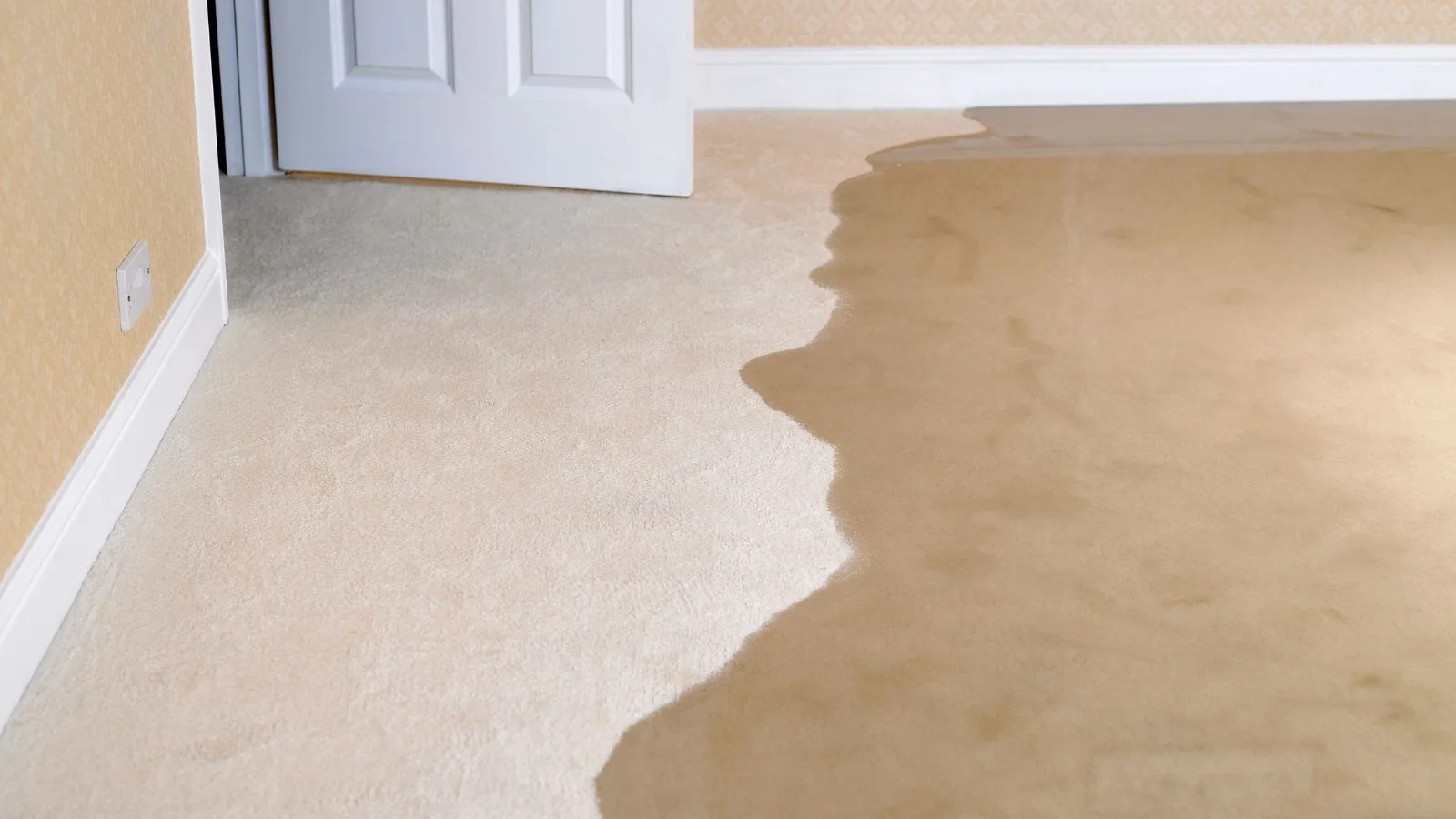
After the water stops, the hard part is the pile. Sofa cushions, a box of books, the contents of the freezer, a mattress that took on a few inches. Every owner in Shirley, NY who has stood in that room asks the same thing: can I save this, or is it garbage?
The answer follows a pattern. Once you know the water type and whether the item soaks up liquid, most decisions get easier. This post gives you that pattern, a table by item type, and a few rules that apply to everything.
Photograph first, sort second
Before anything leaves the room, take photos of the item, the water line and the room around it. Photograph each item you plan to discard, and write a short list with a description. Insurers may ask for these records, and the list also helps you remember what was there.
Keep a small sample or the label of anything large that you throw out, and ask your insurer whether it wants to see items before disposal. Do not carry heavy wet items alone, and wear gloves and boots in any area with standing water.
Set up three zones: keep, clean and discard. A fourth pile for undecided items is fine, as long as it has a deadline of a day or two.
Two questions that decide most items
First, what kind of water was it? Clean water from a supply line is Category 1, gray water from a washer or dishwasher is Category 2, and sewage or floodwater is Category 3. Second, is the item porous? Porous materials soak water up and are hard to clean, while non-porous materials such as glass, metal and hard plastic can be washed and sanitized.
The more contaminated the water, the less you should expect to save of anything porous. Clean water gives you the most room. Time also matters, because items that stay wet for a day or two invite mold.
Sentimental value changes the math. A wet family photo album deserves a specialist's opinion even when the odds are poor, while a wet bath mat does not. Decide which few things are worth that effort and let the rest go.
Sorting table by item type
This is a general guide. When the water is Category 3, the safe default is to discard porous items. Ask a restoration professional about anything valuable or irreplaceable.
| Item | Clean water (Category 1) | Gray or contaminated (Category 2 or 3) |
|---|---|---|
| Hard items: glass, metal, hard plastic | Wash and dry, usually keep | Clean and disinfect, often keep |
| Wood furniture, solid | Dry slowly, often keep | Assess case by case, finish may be damaged |
| Upholstery and cushions | Often cleanable if dried fast | Usually discard |
| Mattresses and bedding | Mattress often discarded, bedding washed | Discard mattress, wash bedding only if advised |
| Books and papers | Freeze and seek a specialist for valuable ones | Usually discard |
| Food and drink | Discard anything the water touched | Discard, including sealed items that were submerged |
| Appliances | Have an electrician or technician inspect first | Usually replace |
| Rugs and carpet | Often dried and cleaned | Usually discard |
Food, medicines and anything you eat or drink
Throw away food that has touched floodwater or sewage, along with anything in cartons, bags or pouches that was in contact with the water. Sealed cans that were submerged need careful cleaning, and many owners discard them when the water was contaminated. When in doubt, throw it out.
A refrigerator without power also becomes a problem. Check food temperatures, discard what has been above safe levels, and do not taste-test. Questions about medicines and anything that affects a person belong to a pharmacist or physician.
Mattresses, upholstery, books and papers
Mattresses hold water deep inside, and drying them fully is hard. Most are discarded after a soaking, even from clean water. Upholstered furniture falls in between: it may be saved after a clean-water leak if it is dried quickly, and it is usually discarded after contaminated water.
For books and papers, speed helps. Freezing wet paper stops further damage until a specialist can deal with it, which is worth considering for photos, records and family documents. Ordinary paperbacks soaked in dirty water are rarely worth the effort.
Appliances and electronics
Do not plug in or switch on any appliance that has been wet. Water can damage the internal parts, and turning it on risks a shock or a fire. Have a qualified electrician or technician inspect it first, and expect to replace anything that sat in water, especially if it was contaminated.
Refrigerators, freezers and washers may look fine and still fail later. Ask the person inspecting it what they checked and whether the unit is safe to run.
Carpet, padding and sewage-affected items
Carpet is the item owners ask about most, and the decision depends on the water type and how long it has been wet. Padding is almost always replaced. The carpet water damage restoration page explains how that decision is made.
When the water came from a sewage backup, treat everything porous it touched as discard. Keep people and pets out, and do not handle the items without gloves, boots and a mask. The sewage backup cleanup page covers what professionals do and why that job is not for a household.
The dispatch line at (934) 223-1875 can send a crew to sort the structure while you sort the belongings.
What Superstorm Sandy tells Shirley, NY owners
The Suffolk County hazard mitigation plan says about 2,400 structures in the Town of Brookhaven were damaged by Superstorm Sandy in 2012. It also says the flooded properties very closely followed the flood areas on the FEMA flood maps, which in the plan are dated September 25, 2009.
That is a reason to look up your address on the FEMA flood map and in the Suffolk County GIS flood layers. Do this before deciding what coverage to carry, and before you buy or store belongings in a low room. If a flood does reach your contents, the table above is how to sort them.
Help nearby
The same dispatch line covers Mastic Beach, Patchogue and other nearby South Shore areas. A crew can tell you which structure surfaces are wet, and you can use that to decide what to save.
Frequently Asked Questions
It is rarely worth it. Mattresses hold water deep inside and are hard to dry fully. If it only got slightly damp from clean water you might save it, but most are discarded.
Discard food that touched floodwater or sewage, and anything in porous packaging that was wet. For sealed items, be cautious. If you are unsure whether it is safe, discard it.
Sometimes. Freezing wet paper stops further damage until you can get help, which is worth doing for valuable items. Items that sat in sewage or floodwater are usually discarded.
Photograph and list them first, and ask your insurer whether it wants to see them. Keep samples or labels for large items. Do not assume you can discard them freely.
It shows that flood damage in Brookhaven closely followed FEMA flood maps. Look up your address on the FEMA flood map and in the Suffolk County GIS flood layers, and check your coverage before a loss.
No. Unplug it, keep it off and have a qualified electrician or technician inspect it. Water can damage the internal parts, and powering it up can cause a shock or fire.