
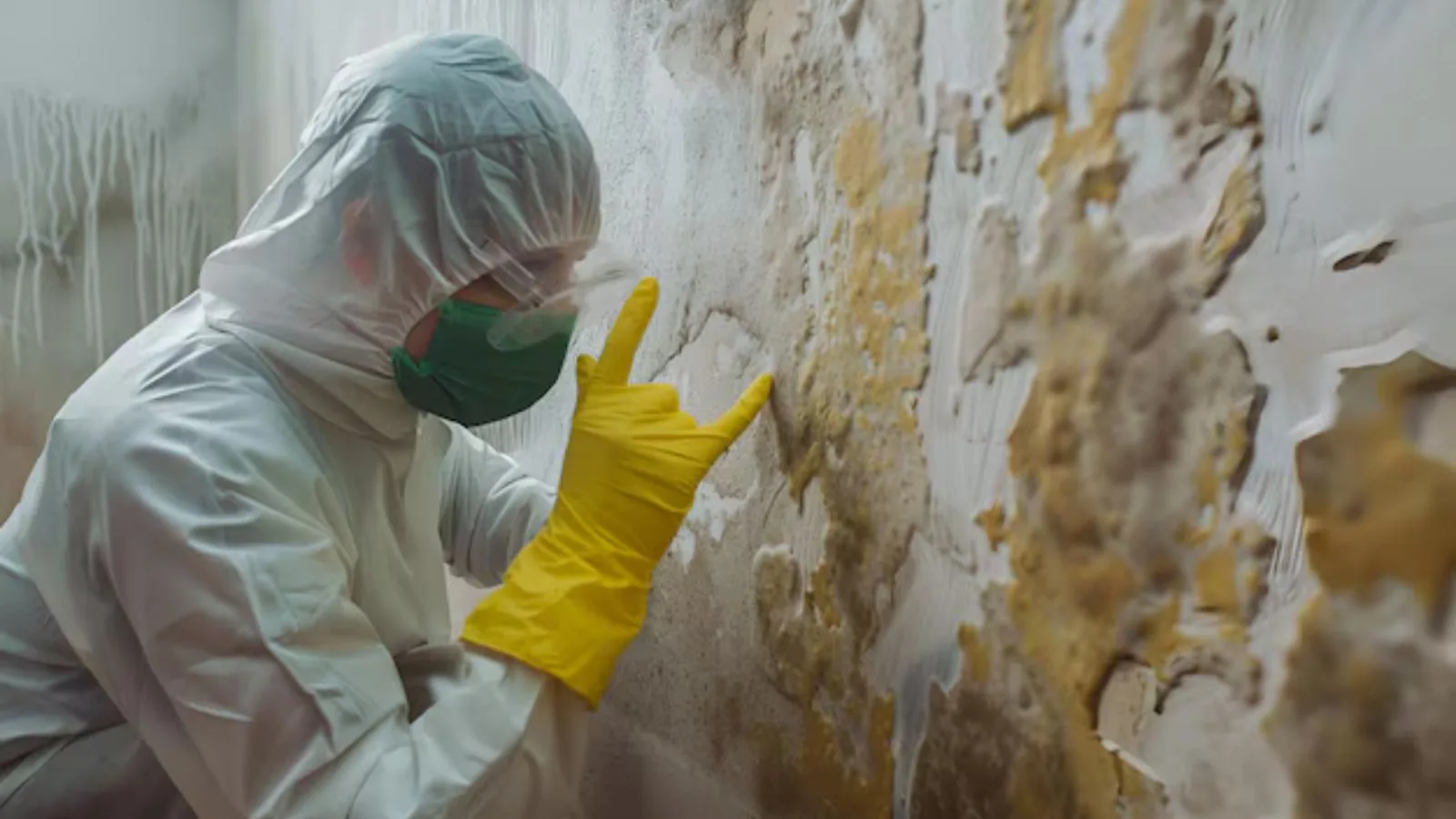
A buyer's agent, an appraiser or a lender asks for a clearance, and a mold problem you thought was finished is back on the table. In Shirley, NY the paperwork is simple once you know who is allowed to write it. This guide explains what a clearance is, who does it, and what to request before anyone signs.
It is written for owners who have had mold work done or are about to, and who need a document that stands up in a sale or a loan. It promises no outcome, because the result depends on what the assessor finds.
A clearance, in plain terms
A clearance is the post-remediation assessment. A licensed mold assessor returns after the work is finished and checks whether the remediation plan was carried out and whether the area is ready to be used again. It is a judgment against the plan, made by someone who was not paid to do the cleanup.
What it includes depends on the project and on the assessor's plan. It may involve a visual inspection, moisture readings and sampling, and the assessor decides which. The result is a written report, and that report is what a buyer, lender or insurer may want to see.
A clearance is not a lifetime certificate. It describes the condition of the area on the day of the assessment. If moisture returns, so can the problem, which is why the water source has to be fixed first.
Why the grader cannot be the one being graded
Picture a home seller who also writes the inspection report. Even an honest company would be marking its own work, and a buyer or lender has little reason to trust that. New York writes the separation into its rules, covered in the local section below.
The structure works like bookends. An assessor sets the plan and the target before work starts. A contractor does the work. The assessor comes back and checks the result against the plan. Ask any company how it keeps those roles separate on your project, and get the answer in writing.
The usual order of events
Exact steps vary with the project, but most go in this sequence.
Assessment and plan
A licensed assessor inspects the area, looks for the moisture source, and writes the remediation plan with its scope and limits.
Fix the water
Work on mold goes nowhere while moisture keeps arriving. The leak, drainage or humidity problem is dealt with first.
Remediation
A separately engaged licensed contractor carries out the plan. This is the work described on the page for mold remediation, and you can ask any company whether its crews work to ANSI/IICRC S520.
Post-remediation assessment
The assessor returns, checks the area against the plan, and decides whether it is ready to be put back in use.
Written report
Keep the dated report with your closing or loan file, along with the plan and any moisture readings.
What to ask for and what a good answer sounds like
Use this as a checklist when you talk to an assessor or a contractor. The right column is the one to walk away from.
| Ask for | A solid answer | A warning sign |
|---|---|---|
| Their New York mold license | Gives the license and names who works your job | Cannot name a licensed individual |
| A written plan before work starts | Plan lists areas, methods and the clearance step | Verbal scope only |
| Separate assessor and remediator | Different licensed people on the same project | One person offers both |
| What the clearance will include | Describes inspection, readings and any sampling | Promises a pass in advance |
| The final report | Written, dated, tied to the plan | A text message or a one-line note |
| Buyer or lender acceptance | Confirmed with them before work begins | Assumed and never checked |
New York's license rule, and what to ask in Shirley
The New York State Department of Labor mold program requires mold assessors, mold remediation contractors and mold abatement workers to be licensed. The same individual may not perform both the assessment and the remediation on the same project. The licensed assessor writes the remediation plan and does the post-remediation assessment. Ask any mold company for its New York license and who does the assessment, and get both answers in writing.
Homeowners working on their own residence are exempt, and a mold project means more than ten square feet. If you cleaned a small area yourself, a buyer or lender may still ask for something on paper. Ask them early whether they want an assessor's report, and hire a licensed assessor if they do.
Lining the paperwork up with a sale or loan
Tell your agent, attorney or lender about the mold work early. Each may want something different, such as the plan, the final report or the assessor's license, and requirements vary from deal to deal. Ask what they need before you hire anyone, so the plan can be written with that in mind.
Do not book the clearance for the day before closing. An assessment that finds more work to do takes time to resolve, and nobody can promise the result in advance. Keep the drying records as well. Moisture readings from the drying phase show the water was dealt with and are easy to attach to the file.
Closing up the walls after the report
Remediation often removes drywall and trim, so a room may sit opened up when the assessment happens. Ask the assessor whether the plan calls for rebuilding before or after the post-remediation assessment, because it depends on the project. When it is time to close the walls, wall and drywall water damage repair covers the rebuild, and the moisture readings should be normal before anything is closed in.
The same questions apply wherever the house sits. The dispatch line sends licensed and insured restoration professionals to Yaphank and Patchogue as well as Shirley, so an owner selling in one town and buying in another can use one checklist.
Frequently Asked Questions
It is the post-remediation assessment, performed by a licensed mold assessor after the remediation is finished. The assessor checks the work against the plan and produces a written report. What it contains depends on the plan, and it may include visual inspection, moisture readings and sampling.
New York's mold program says the same individual may not perform both the assessment and the remediation on the same project. The licensed assessor writes the plan and does the post-remediation assessment. Ask how any company keeps the two roles separate, and prefer an assessor you hire yourself.
No. A clearance describes the area on the day it was assessed. If moisture comes back, growth can too, so the leak, drainage or humidity problem has to be fixed before and after the work.
That is for them to say. Ask your agent, attorney or lender what they require before you hire an assessor, and ask whether they want the plan, the final report, or both.
New York exempts a homeowner working on their own residential property, and a mold project means more than ten square feet. A sale or loan can still bring its own paperwork requests, so ask early and consider a licensed assessor if a document is needed.
It should be written and dated, name the assessor and carry the New York license information, refer back to the remediation plan, describe what was inspected and measured, and state the assessor's conclusion. If anything is missing, ask for it before you pass the report to a buyer or lender.