
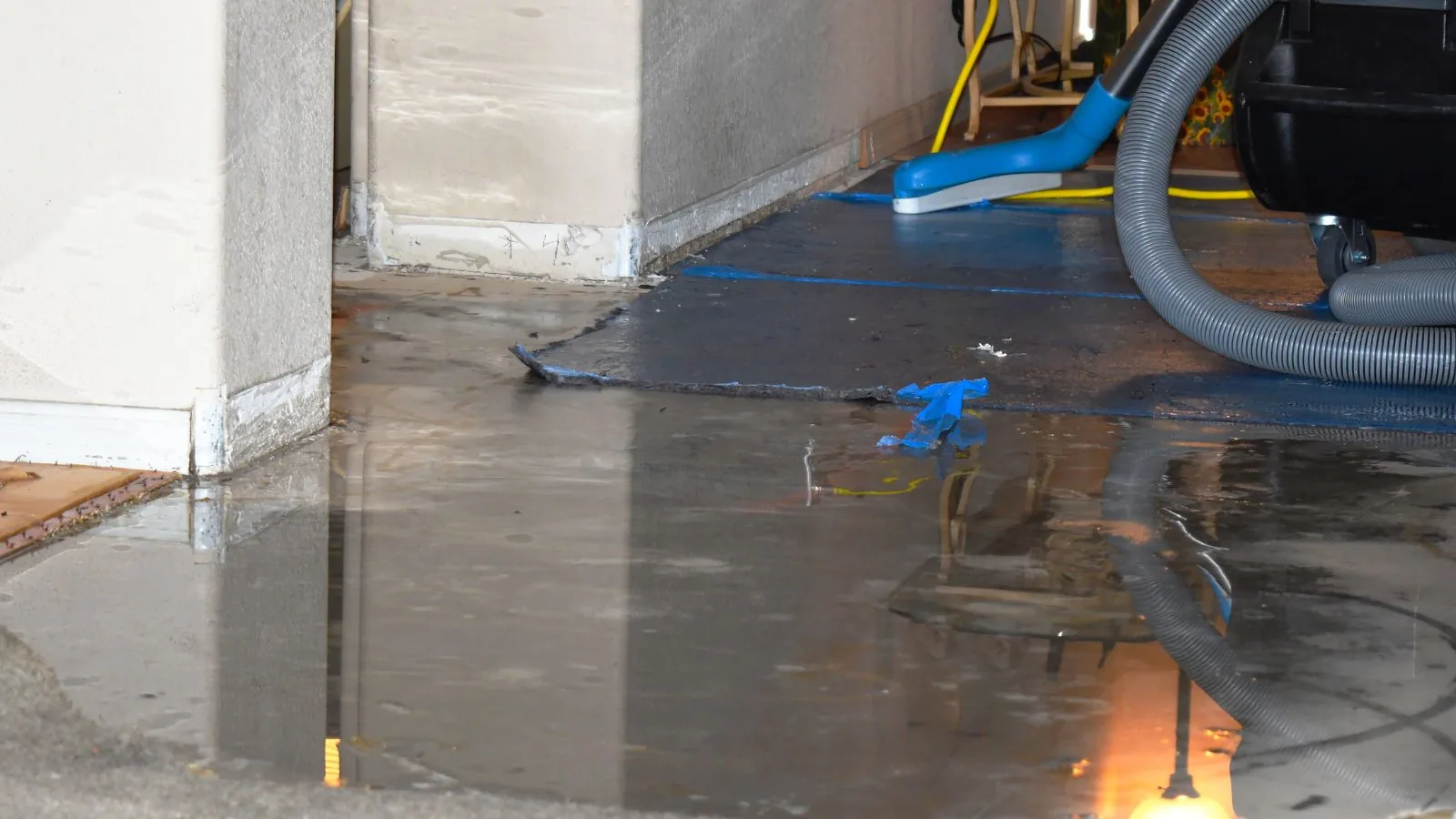
When water is on the floor, you talk to whoever picks up. That is understandable, and it is also when owners agree to things they later wish they had asked about. A few minutes of questions, ideally before anyone starts work, protect your home and your budget.
This guide is written for Shirley, NY homeowners, but the questions apply anywhere. You are not trying to catch anyone out. You are looking for a company that explains its plan, shows its work and puts the details on paper.
Start with what happens in the first visit
A good first visit has a sequence: stop or confirm the source is stopped, check what is wet, remove standing water, and then set up drying. Ask the company to walk you through that order for your house. If the answer is only a price or only a promise, keep asking.
Ask how the crew will find hidden moisture. A reliable answer names moisture meters and thermal imaging cameras, and says readings will be taken in walls, floors and ceilings, not just on the surface. Water that sits behind finished materials is the part you cannot see.
The questions and what a good answer looks like
Print this or keep it open while you talk. A good answer is specific, and a poor one is general or defensive.
| Question | A good answer | A warning sign |
|---|---|---|
| Will you explain the scope and price before work starts? | Yes, in writing, with what is included and what could change | Work begins first, numbers come later |
| What standard do your crews work to? | ANSI/IICRC S500 for water damage, named plainly | No clear standard, or a vague claim |
| How will you document moisture and drying? | Readings on day one and daily after, kept as drying logs | Nothing recorded, or only a final statement |
| Who does mold work, and are they licensed in New York? | A licensed mold contractor, with the assessor being a separate person | Same person tests and removes, or no license offered |
| Do you use subcontractors? | Yes or no, and who is responsible for them | Unclear who is on site |
| How are contents handled? | A written list, what is moved, what is cleaned, what is discarded | Items thrown out without photos |
| What do I get in writing? | Scope, equipment, terms, documentation and change process | Verbal agreement only |
| What could change the price? | Named factors like hidden wet material or added rooms | No explanation |
Ask for the answers in an email or on the work order. A company that is comfortable with its process will put it on paper.
Scope and price: ask before the equipment goes in
Price depends on the size of the wet area, the type of water, how long materials have been wet, and what must be removed. Ask which of those the company has assumed and what would make the number move. A written scope lists rooms, materials, equipment and the steps in order.
Be cautious of a figure quoted over the phone for a house nobody has seen. A reasonable company can give a general idea of what drives cost, but it should inspect before committing to a scope. Call-first pricing and surprise add-ons are the most common sources of disputes.
The S500 question and why drying logs matter
The ANSI/IICRC S500 is the published industry standard for water damage restoration. You are not asking whether the company is perfect. You are asking whether its crews work to a recognized standard, and what that looks like on your job.
The practical proof is the drying log. A crew should record temperature, humidity and moisture readings at the start and each day until materials reach their dry targets, and keep that record. If you want to know how that works in practice, read about structural drying and dehumidification.
Ask when equipment will be removed and what readings must be met before it goes. A company that pulls equipment by the calendar instead of by the readings may leave wet material behind.
Mold work and the New York license rule
If mold is already visible, or becomes a concern during drying, the rules are specific. New York requires mold assessors, remediation contractors and abatement workers to be licensed, and the same individual may not do both assessment and remediation on one project. So a company that says it will test and also remove the mold needs a clear explanation.
Ask whether the company does mold remediation itself or brings in a licensed contractor, and who the licensed assessor would be. Testing and remediation follow the published ANSI/IICRC S520 standard. Questions about how mold affects people belong to a physician.
Local checks for Shirley, NY homeowners
New York State Department of Labor mold rules apply to a mold project of more than ten square feet, and a homeowner working on their own residential property is exempt. Whatever the size, if you hire someone, ask for their New York license and ask who is doing the assessment. Do that before the plan is written, not after the work is done.
If the damage came from a flood, the Town of Brookhaven code defines substantial damage as repair cost that equals or exceeds 50 percent of the structure's market value before the damage. Building in a special flood hazard area needs a permit. Before any rebuilding, ask the Town of Brookhaven Building Division what applies to your address and let the company know what it says.
Subcontractors, contents and what goes in writing
Many firms use subcontractors for specialties like mold, electrical, plumbing or contents cleaning. That is not a problem, as long as you know who they are and who answers if something goes wrong. Ask who is on site each day and who supervises.
For contents, ask whether items will be photographed and listed before being moved, cleaned or thrown out. A written list helps you and your insurer. Insurers may ask for photos, moisture readings and a written scope, and the company should be able to supply them.
Finally, ask who to call after hours with a question. The dispatch line at (934) 223-1875 answers around the clock, and it covers areas such as Patchogue and Mastic Beach as well as Shirley.
Frequently Asked Questions
It should explain the scope and what drives the price before work starts, and it should put it in writing. Final cost can shift if hidden wet material turns up, so ask what would change it and how you will be told.
It is the published industry standard for water damage restoration. Ask whether the crew works to it, and how that shows up in daily readings, equipment placement and drying targets on your job.
It is a record of moisture, temperature and humidity readings taken on the first day and each day after until materials are dry. It shows that drying was measured, not guessed, and an insurer may ask for it.
Possibly, if it holds the right New York license for remediation. The assessment must be done by a different licensed person, so ask who writes the plan and who checks the work afterward.
Ask the Building Division, at Town Hall in Farmingville, whether your address is in a special flood hazard area and whether the damage reaches the substantial damage threshold of 50 percent of market value. Do this before rebuilding.
Ask for a written contents list that says what is moved, cleaned or discarded. Photos before disposal help with insurance, and nothing of value should leave without your approval.