
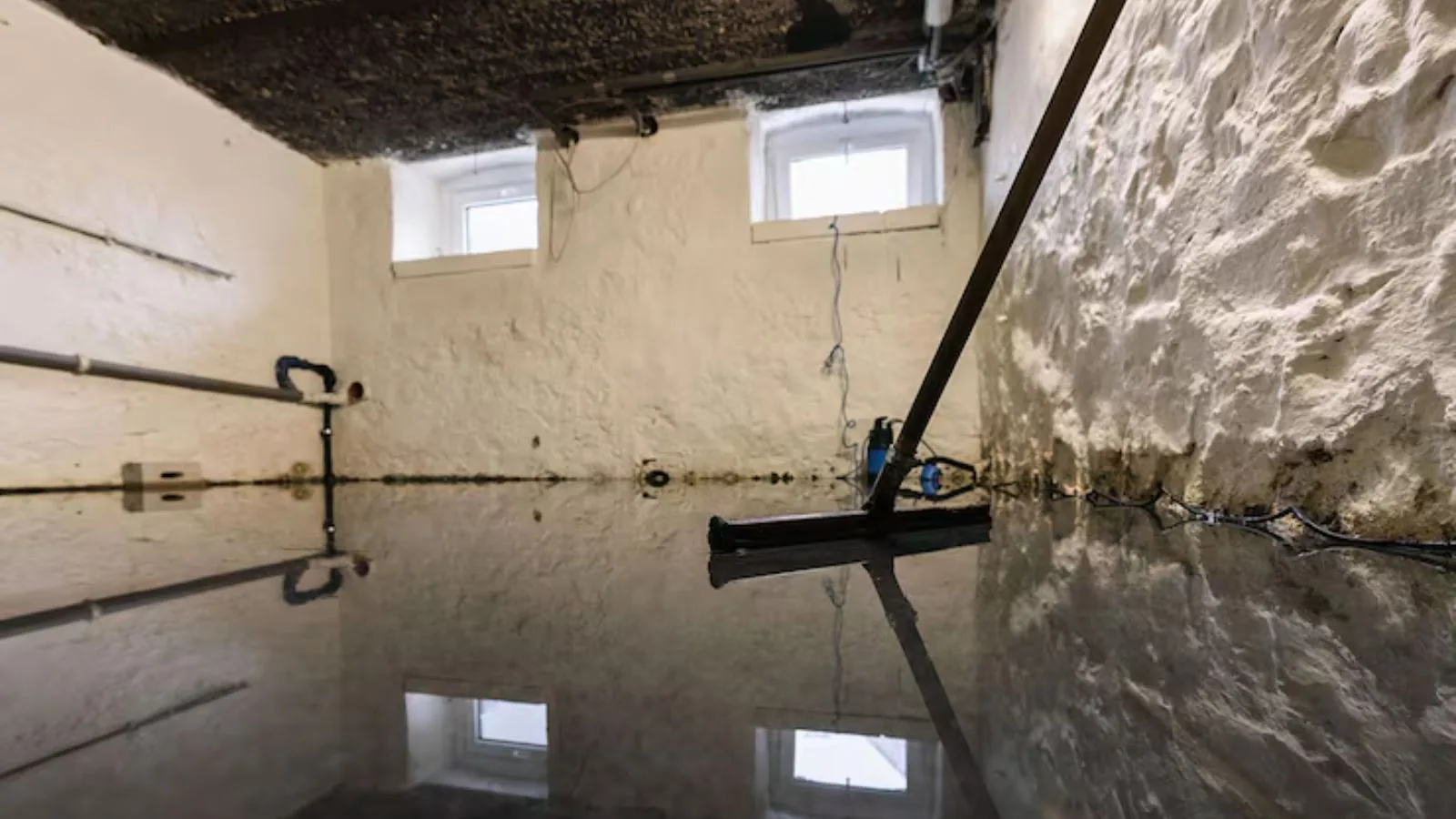
A shoebox of photos on a basement shelf and a folder of deeds in a low cabinet look very different once a few inches of water have come through. If this happened in your Shirley, NY home, the good news is that a lot of paper can be saved. The bad news is that the clock starts quickly, because wet paper swells, ink moves, and mold can start on damp material within a day or two.
This guide is for the hours right after the water stops. It is not about the wet floor or walls, which need their own response. It is about the small, personal things that cannot be bought again: pictures, certificates, letters, and the papers that prove who you are and what you own.
Before you touch anything
Check the water first. Clean water from a supply line is one thing. Floodwater, a toilet overflow or a sewage backup carries bacteria, and paper that soaked in it should be handled with gloves and kept away from food and children. If you are not sure where the water came from, treat it as dirty.
Handling photos so they do not stick or tear
Hold prints and negatives by the edges. Fingers leave oils and pressure marks on a soft, wet surface, and the image layer is the part that fails first. If photos are in an album, do not pull them out by force. Lift the whole page and let it drain.
Photos that are still stuck together should stay wet. Put them in a bowl of clean cool water and let them separate on their own, then lift each one by a corner. If they will not part, do not peel. Pulling takes the image off with it, and a conservator or document drying service may be able to separate them later.
Triage table: what to do with each kind of item
Not everything deserves the same effort. Use this as a quick sorting guide, and start with the items you cannot replace.
| Item | Condition | First step | Later step |
|---|---|---|---|
| Loose photo prints | Wet, not stuck | Lay face up on clean paper, air dry | Store flat once fully dry |
| Photos stuck together | Wet, fused | Keep wet in clean water or wrap and freeze | Ask a conservator or drying service |
| Bound books and albums | Soaked | Stand upright, fan pages gently | Freeze if they cannot dry in a day or two |
| Loose papers | Damp | Spread single sheets, interleave with blotting paper | Photocopy anything important |
| Large stacks or files | Soaked | Do not separate, wrap and freeze | Professional vacuum freeze drying |
| Anything touched by floodwater or sewage | Contaminated | Gloves on, bag it, photograph it | Ask a professional before saving it |
Air dry now, or freeze and decide later
Air drying works for a small number of items. Lay sheets flat, change the blotting paper when it gets damp, and keep the room cool with a dehumidifier or open windows if outdoor air is drier than indoor air. Turn items over now and then so both sides dry evenly.
Freezing is the better move when you have more than you can handle in a day or two. Place items in freezer bags or wrap them in freezer paper, with a sheet of wax paper between pieces where you can, and put them in a frost-free freezer. Freezing stops mold and ink bleed in their tracks and gives you time to find a drying service.
Do not use heat. Hair dryers, ovens, microwaves, radiators and direct sun all warp paper, set stains and can make photos curl and crack. Do not iron wet paper either. Slow and cool is the rule.
What a document drying service actually does
Specialists in document recovery usually start with a quick sort, then move paper into a vacuum freeze dry chamber. The ice in frozen paper turns directly to vapor under low pressure, which pulls moisture out without the swelling and distortion that happen when paper dries in the open. Pages often come out flat, though stained and sometimes brittle.
Many of these providers will also scan the dried pages. Ask what the process includes and whether they can work with contaminated material, since some will not.
A restoration crew that handles your structure can also help the place where the papers live. Controlled humidity matters, because a room that stays damp will undo careful paper work. That is where drying equipment and dehumidification comes in, and where flood damage restoration applies if the source was rising water.
Which papers to replace first
Some papers cannot wait for a perfect rescue. Start with identity documents: passports, driver licenses or non-driver IDs, Social Security cards, birth certificates and marriage records. These are the ones you need to prove who you are to everyone else.
Next come ownership and money papers. That means deeds, mortgage and title documents, vehicle titles, insurance policies, and tax returns with supporting records. Property and insurance papers matter right now because you may need them for the water damage claim itself.
The rule for replacements is simple: ask the agency that issued the document. Vital records come from the vital records office that holds the original, IDs from the motor vehicle or passport office, and deeds from the county clerk's records. Your insurance agent can send a copy of a policy, and tax records can be requested from the tax agency. Check each agency's own website or phone line for what it needs from you.
Why Shirley, NY households should store papers high
On August 13, 2014, flash flooding set New York State's 24-hour rainfall record at 13.78 inches, according to the Suffolk County hazard plan's Brookhaven section. That figure is a Brookhaven-wide record, not a Shirley gauge reading, but it shows how fast heavy rain can overwhelm an area. The practical step is to move your key papers off the floor now, onto a high shelf or into a waterproof, fire-resistant box you can grab on the way out.
Keep a second set of scans on a cloud account or a drive stored somewhere other than your home. Neighbors in Yaphank and Mastic Beach face the same rule: a copy that survives is worth more than any rescue after the fact.
Log it for your insurer
Before you start sorting, photograph the items where they sit, then again as you move them. Make a list of what was lost, with approximate dates and any value you can show. Your insurer may ask for this, and flood damage is usually excluded from a standard policy, so check your coverage and ask early.
Frequently Asked Questions
Mold can start on damp paper within a day or two, so the sooner you air dry or freeze, the better. If you cannot dry items quickly, freezing is the safest way to buy time.
Yes, for clean water damage. Use freezer bags or wrap, keep contaminated items separate, and use a frost-free freezer if you can. Do not put sewage-soaked items in a freezer where food is stored.
Start with IDs, birth and marriage records, deeds, insurance policies and tax papers. Contact the agency that issued each one to learn what it needs to send a replacement.
It depends on the policy and the source of the water. Many policies pay for sudden water damage but not for flood, and some cap what they pay for papers. Check the limits in your policy and ask your insurer.
It is a good reason to keep key documents high, in a waterproof box, with a digital backup elsewhere. Brookhaven has seen record-setting rain before, so low shelves and basement cabinets are the riskiest places for paper.